
Good intentions don’t cancel out bad implementation
I don’t write posts often. I usually observe quietly.
But given where the world, technology, and AI are headed, staying silent no longer feels responsible.
To be clear upfront:
I am not anti-AI. I study AI. I work with it. I believe in its potential.
What I am concerned about is how irresponsibly it’s being deployed and consumed.
AI systems are advancing faster than society’s ability to understand, regulate, or use them wisely. We are now at a point where distinguishing between human and AI-generated content is genuinely difficult. That alone dramatically increases the risk of misinformation, manipulation, and misplaced trust.
More worrying is where we are choosing to offload responsibility.
AI was meant to assist human judgment, not quietly replace it in areas where accountability, context, and ethics still matter deeply.
As an Indian, this concern feels more immediate.
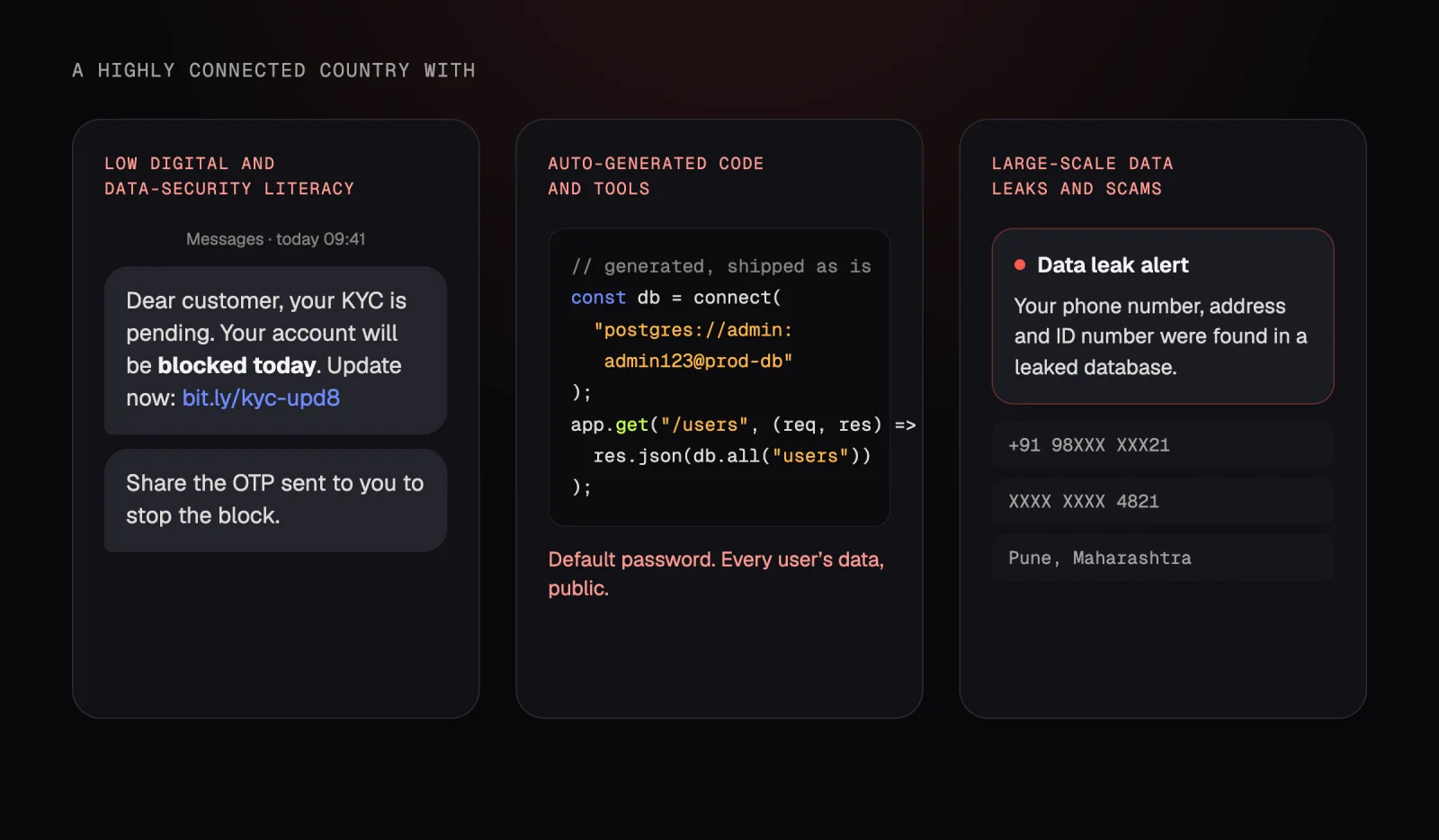
We are a highly connected country with:
- low general digital and data-security literacy,
- increasing dependence on auto-generated code and tools,
- and a growing history of large-scale data leaks and scams.
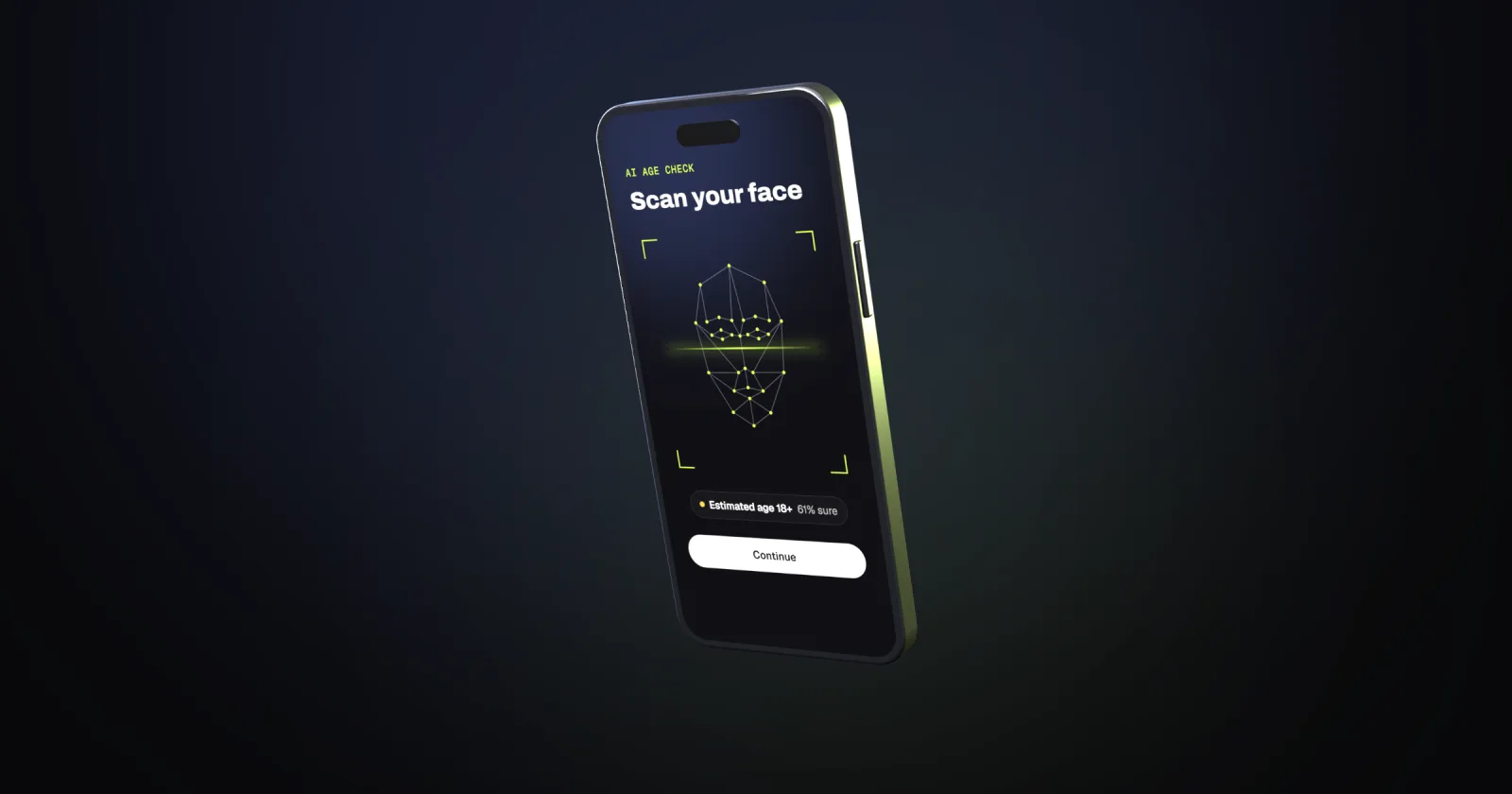
In that context, solutions like AI-based age verification for children (requiring government IDs or facial analysis) are not just weak, they’re careless. These systems are already spoofable, encourage excessive data collection, and shift responsibility away from parents and platforms onto technology that cannot be trusted with it.
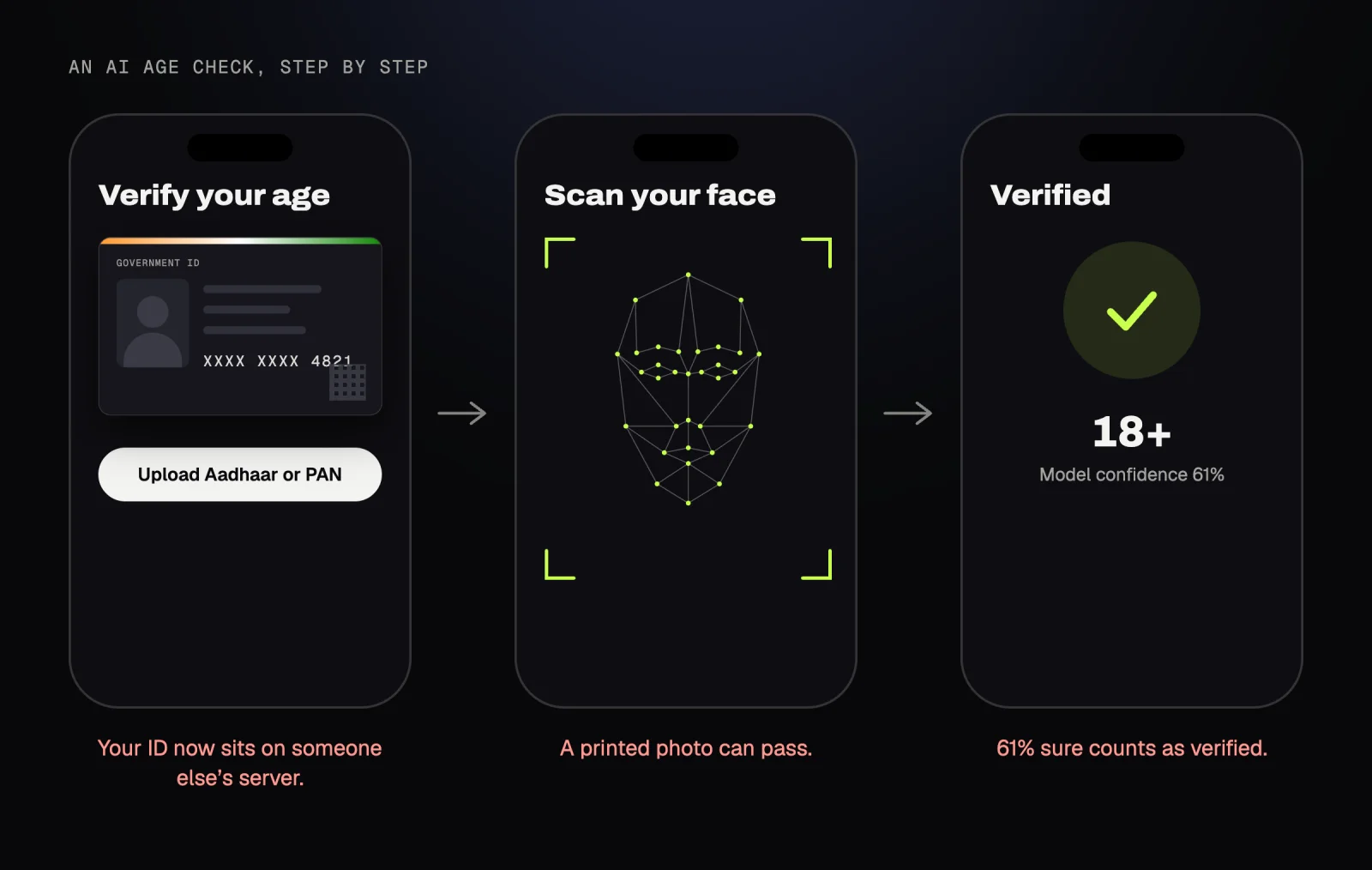
Good intentions don’t cancel out bad implementation.
Another uncomfortable truth we need to accept:
A product does not become good or safe simply because it is made in India.
I deeply respect Indian startups and want them to compete globally. But technical flaws, over-promising, and security gaps don’t disappear under national pride. A bad product is a bad product, regardless of where it’s built.
Technology should be evaluated on usability, safety, and real-world impact, not sentiment.
We should be developers who build with awareness, question blind adoption, and value human judgment as much as innovation.
AI will shape the future, that’s inevitable.
Whether it improves society or weakens it depends entirely on how responsibly we choose to use it today.